
Understanding electrical current fundamentals is crucial for safe and effective concealed carry stun gun usage. Stun devices operate by delivering high-voltage, low-amperage pulses to disrupt muscle control and cause intense pain. Voltage levels determine shock strength, impacting immobilization speed. Responsible ownership involves adhering to safety tips: familiarizing with local laws, proper training, regular maintenance, secure storage, and situational awareness. Following these Concealed Carry Stun Gun Safety Tips ensures effective self-defense while minimizing risks and maintaining legality.
“Uncover the science behind stun devices with our comprehensive guide, offering valuable insights for concealed carry enthusiasts. ‘Understanding Electrical Current and Stun Devices’ delves into the fundamentals of electricity and its application in stun guns. We explore how these weapons disrupt muscle control, focusing on the critical role of voltage.
Learn essential safety precautions and discover design features that enhance effectiveness. Additionally, we cover responsible use and storage practices, providing valuable tips for Concealed Carry Stun Gun Safety.”
- Understanding Electrical Current and Stun Devices
- How Stun Guns Disrupt Muscle Control
- The Role of Voltage in Stun Device Effectiveness
- Safety Precautions When Carrying a Stun Gun
- Common Stun Gun Design Features and Their Functions
- Responsible Use and Storage Practices
Understanding Electrical Current and Stun Devices

Understanding Electrical Current and Stun Devices is key to comprehending how these concealed carry stun gun safety tips work. At its core, electrical current is the flow of charged particles, typically electrons, through a conductive material like wire. In stun devices, this flow is harnessed and channeled through high-voltage, low-amperage circuitry to deliver a powerful electric shock. The design focuses on efficiently concentrating this current into a compact area where it can immobilize an aggressor temporarily.
Stun guns, often recommended for personal safety, operate by closing the circuit when activated. This allows the stored electrical energy to surge through the target, disrupting muscle control and causing intense pain. Knowing the fundamentals of electrical current is crucial for users to appreciate the importance of proper handling and maintenance, ensuring both effectiveness and safety in stressful situations.
How Stun Guns Disrupt Muscle Control
Stun guns, a popular choice for concealed carry enthusiasts seeking personal defense, work by disrupting muscle control through an intense electrical current. When activated, the device delivers a high-voltage, low-amperage pulse that overloads the nervous system, temporarily paralyzing the target. This disruption prevents muscles from receiving proper signals, leading to loss of balance and strength.
For concealed carry stun gun safety tips, understanding this mechanism is key. The electrical current flow aims to cause a strong, involuntary reaction, making it an effective non-lethal force option. However, users must be aware that the impact can vary based on factors like distance, body type, and the target’s physical condition, emphasizing the importance of proper training and responsible usage for optimal safety and effectiveness.
The Role of Voltage in Stun Device Effectiveness
The effectiveness of a stun device, especially in concealed carry weapons like stun guns, is greatly influenced by voltage. Voltage acts as the driving force behind electrical current flow, determining the intensity and duration of the shock delivered. Higher voltage levels generally result in more powerful jolts, capable of immobilizing an attacker faster. This is crucial for self-defense scenarios, where swift action is essential.
When considering Concealed Carry Stun Gun Safety Tips, understanding voltage is key. It helps users choose devices with appropriate power settings for their needs and ensures safe usage. Moreover, it allows individuals to manage risks effectively, as excessive voltage could cause unnecessary harm while insufficient voltage might not deter an attacker.
Safety Precautions When Carrying a Stun Gun
When carrying a stun gun, whether concealed or openly, safety should always be your top priority. These devices deliver powerful electrical currents that can cause temporary incapacitation, so proper handling and awareness are crucial to prevent accidental discharges and ensure user safety. One of the primary Concealed Carry Stun Gun Safety Tips is to familiarize yourself with local laws regarding stun gun ownership and carry permits, as these vary by jurisdiction. Always store your stun gun in a secure, designated location, keeping it out of reach of children and unauthorized individuals. Regularly inspect the device for any signs of damage or malfunction, ensuring proper functioning before each use. Additionally, be mindful of your surroundings; avoid situations where drawing the stun gun might provoke aggression or put bystanders at risk. Carrying a stun gun responsibly involves understanding its capabilities and limitations, as well as adhering to safety protocols designed to protect both the user and those around them.
Common Stun Gun Design Features and Their Functions
Stun guns, also known as electronic control devices (ECDs), typically feature a few key design components that work together to deliver a powerful stun. One of the most essential parts is the circuit board, which controls the flow of electricity and triggers the stun when activated. The battery compartment is another vital element, housing high-voltage batteries that power the device. Stun guns often incorporate protective features like shock-resistant casing, water resistance, and durable construction to ensure reliability and safety during use.
When it comes to concealed carry, understanding safety tips is crucial. Users should familiarize themselves with local laws regarding stun gun possession and usage. Proper training on how to operate the device safely and effectively is essential, as is keeping the stun gun in a secure location when not in use. Regular maintenance, including battery checks and inspections, is also vital for optimal performance and safety.
Responsible Use and Storage Practices
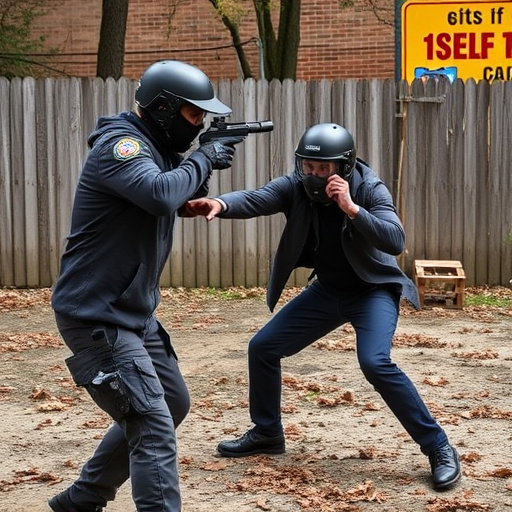
When it comes to stun devices, responsible use and storage practices are paramount for ensuring safety and legality. For those who choose to carry a concealed stun gun for personal protection, understanding the device’s electrical current flow is crucial. Always follow Concealed Carry Stun Gun Safety Tips, such as keeping the device in a secure location when not in use and storing it separately from any ammunition or other weapons. Regular maintenance checks are essential; ensure the device is always charged and in good working order to guarantee its reliability in an emergency.
Furthermore, users must be aware of local laws and regulations regarding stun devices. Improper storage or careless handling can lead to accidental activation, causing potential harm to oneself or others. Responsible owners should also educate themselves on the range of their device’s effectiveness and understand that it is not a substitute for self-defense training or good situational awareness. Safety should always be the top priority when considering any personal protection tool.
A concealed carry stun gun is a powerful tool for personal safety, leveraging electrical current flow to disrupt muscle control and incapacitate an attacker temporarily. Understanding how voltage and current interact within these devices is essential for effective deployment. By adhering to responsible use and storage practices, including safety precautions, individuals can maximize the reliability of their stun guns while minimizing potential risks. Armed with this knowledge, responsible citizens can feel more secure knowing they possess a reliable means of self-defense.