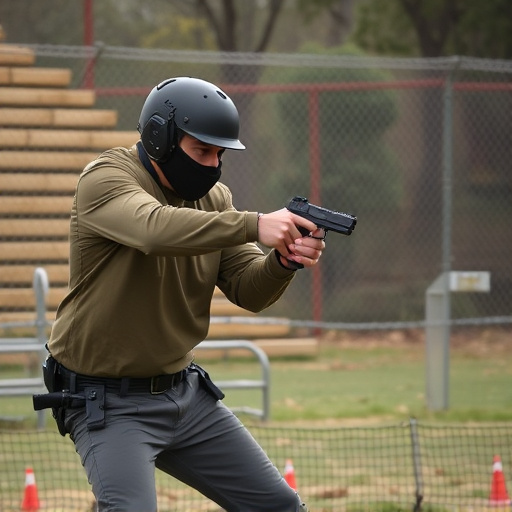
Concealed Carry Stun Gun Safety Tips hinge on understanding electrical current spread patterns in human tissue and clothing. This knowledge enables users to target vital areas, maximize stun gun impact with correct positioning (mid-section and shoulders), and minimize user injury risk through proper hand placement. Regular practice sessions with trained instructors enhance accuracy, empowering individuals for effective self-defense while carrying a concealed stun gun responsibly.
Electrical Current Spread Pattern Analysis (ECSPA) is a critical tool in understanding how electricity flows through different mediums. This analysis reveals crucial insights into the behavior of current, especially in high-risk scenarios like concealed carry stun gun usage. By examining ECSPA, we can enhance safety tips for stun gun owners. This article dives into the fundamentals of ECSPA and explores practical applications, focusing on essential Concealed Carry Stun Gun Safety Tips to ensure responsible and effective use.
- Understanding Electrical Current Spread Pattern Analysis
- Practical Application: Concealed Carry Stun Gun Safety Tips
Understanding Electrical Current Spread Pattern Analysis
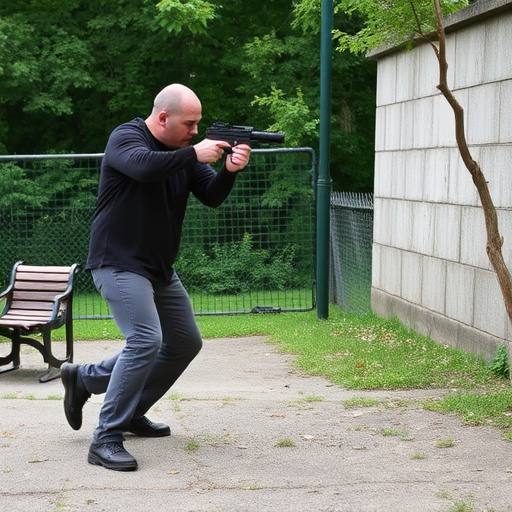
Electrical current spread pattern analysis is a critical aspect of concealed carry stun gun safety tips. By understanding how electricity flows through various materials and mediums, users can better assess the effectiveness and potential risks associated with stun devices. This analysis involves studying the path an electrical current takes when it encounters different substances, such as human tissue, clothing, or barriers like metal objects.
In the context of concealed carry weapons, knowledge of current spread patterns is vital for ensuring user safety and maximizing the stun gun’s impact on a target. It helps users make informed decisions about device placement, activation techniques, and understanding the limitations of their equipment. With these insights, individuals can enhance their self-defense capabilities while adhering to responsible stun gun safety practices.
Practical Application: Concealed Carry Stun Gun Safety Tips
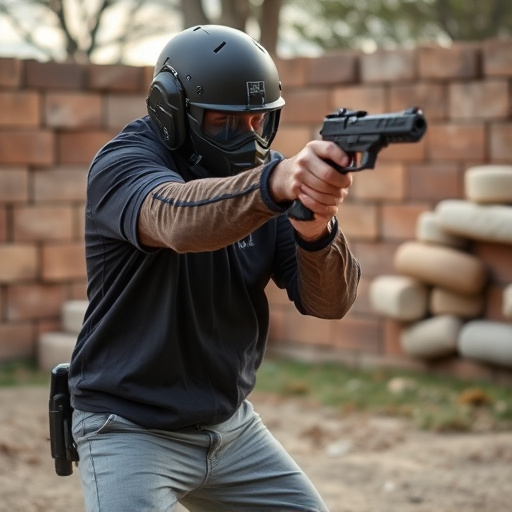
When it comes to practical applications, concealed carry stun gun safety tips are essential for anyone considering self-defense options. Understanding how electrical current spread patterns work is crucial in ensuring safe and effective use. By analyzing the specific zones where a stun gun delivers its powerful jolt, users can learn to target vital areas of an assailant’s body, neutralizing them quickly without causing severe or permanent harm. This strategic approach allows individuals to protect themselves while minimizing potential collateral damage.
One key tip is to position the stun gun correctly during deployment. Aiming for the center mass, particularly at the mid-section and shoulders, maximizes the impact of the current. Additionally, training in proper hand placement and body mechanics can improve accuracy and reduce the risk of injury to the user. Regular practice sessions, utilizing realistic scenarios and feedback from trained instructors, are ideal for mastering these safety techniques, ultimately enhancing one’s ability to protect themselves effectively while carrying a concealed stun gun.
Electrical current spread pattern analysis plays a crucial role in enhancing safety, especially when it comes to concealed carry stun guns. By understanding how electric current flows and spreads, users can make informed decisions to ensure their personal safety and that of others. Practical applications like the Concealed Carry Stun Gun Safety Tips highlighted here underscore the importance of this knowledge in real-world scenarios. Incorporating these insights can revolutionize personal defense strategies, making them more effective and precise.